


The Truth About Travel Insurance: Is it a Safety Net or a Scam?

Updated: Feb 4
Let me just say it: travel insurance isn't a scam, but it's not always the safety net the checkout page wants you to believe it is. After years of booking trips for clients from my Omaha-based travel agency, I've seen insurance save the day: and I've also watched people throw money at policies that never paid off.
The truth sits somewhere in the messy middle, and whether you need it depends entirely on your trip, your health, and what you're actually trying to protect. So let's cut through the marketing fluff and talk about when travel insurance is genuinely worth it: and when it's just another box to check at checkout.
Let Me Be Honest With You Upfront
I'm not here to sell you on travel insurance. I'm here to tell you what I've learned after booking hundreds of trips for families, couples, and solo travelers heading everywhere from Caribbean all-inclusives to multi-country European adventures.
Travel insurance is a legitimate financial product. It's not a gimmick. Real insurance companies back these policies, and they do pay claims when the terms are met. But: and this is a big but: whether it functions as a true safety net depends entirely on what you're insuring and whether the coverage actually matches your risks.
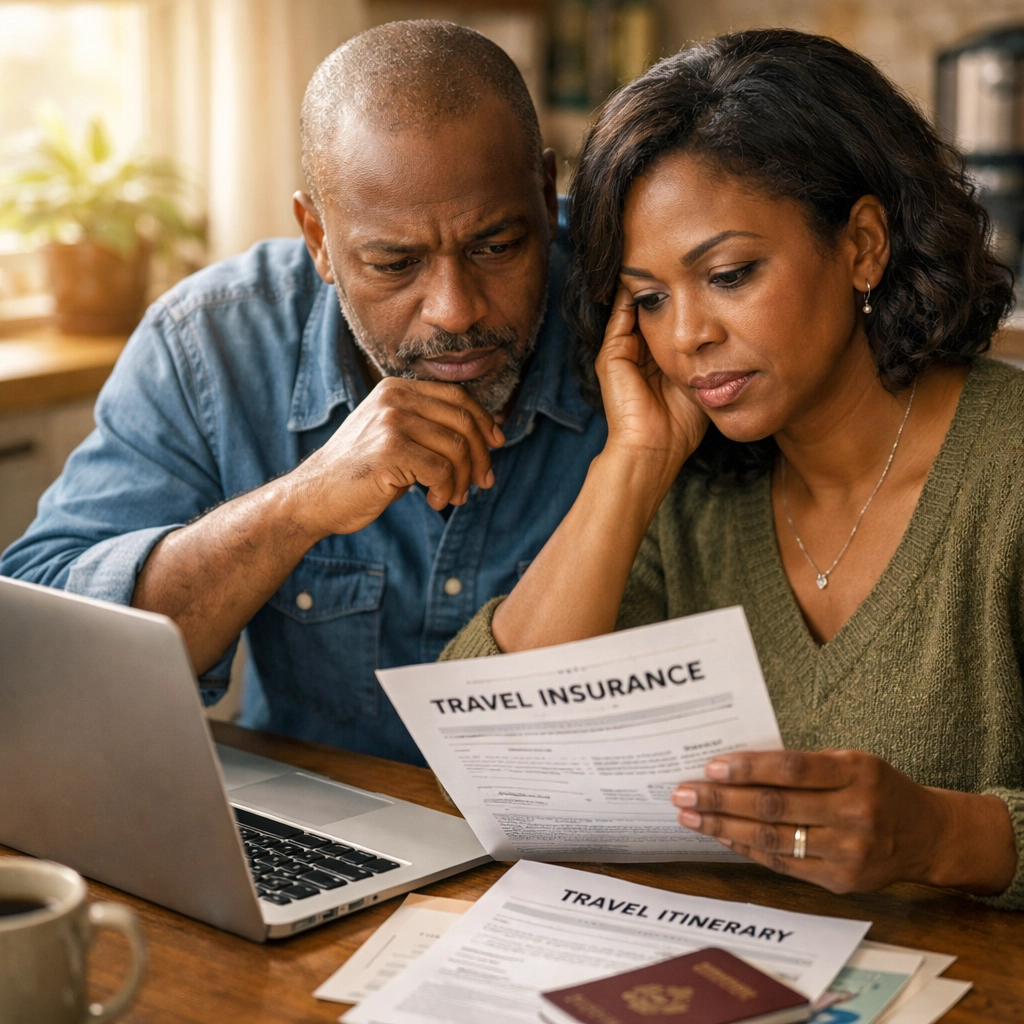
Here's what I tell my clients: travel insurance protects against specific financial losses like trip cancellations, medical emergencies abroad, lost luggage, and travel delays. It's not a cure-all, and it definitely won't cover every "what if" scenario floating around in your head at 2 a.m. before your trip.
The biggest mistake I see? People buying insurance without reading what's excluded. Pre-existing medical conditions, "foreseen events" (like a hurricane you knew was brewing when you booked), and certain high-risk activities often aren't covered: or they require you to buy a policy within a specific window after your first trip deposit.
When I Actually Recommend Travel Insurance
There are situations where I won't let a client book without at least considering coverage. If you're planning an expensive, nonrefundable trip: like a cruise, a destination wedding, or a bucket-list safari: travel insurance can recover up to 100% of prepaid expenses if you need to cancel for a covered reason.
I also push hard for insurance on international trips, especially if you're heading somewhere remote or medically unpredictable. Most U.S. health insurance plans (including Medicare) provide zero coverage outside the country. If you have a medical emergency in Italy or need evacuation from a ship at sea, you're looking at bills that could hit six figures. Travel insurance covers emergency medical treatment and evacuation: that's the real safety net.

Here's my shortlist for when insurance makes sense:
You or a travel companion are older, have health conditions, or there's someone at home in fragile health. Life is unpredictable, and insurance protects you if illness or injury forces a cancellation.
Your trip involves multiple legs, cruises, or remote destinations. The more complex the itinerary, the higher the financial risk if something goes sideways.
You're traveling during hurricane season or to regions with strikes, civil unrest, or natural disaster risks. Trip interruption and delay coverage can be a lifesaver.
Your credit card travel benefits are minimal. Some premium travel cards offer decent trip cancellation and delay coverage, but if yours doesn't, insurance fills that gap.
When I Tell Clients To Skip It
On the flip side, there are trips where insurance feels like overkill: or worse, a waste of money. If you're booking a low-cost domestic trip or most of your expenses are refundable, the financial risk is minimal. Why pay $150 to insure a $600 weekend getaway where the hotel allows free cancellation?
I also skip recommending insurance for short domestic U.S. trips where medical care is easily accessible and you're not dealing with international complications. If you're driving three hours to visit family or taking a quick flight to Miami, your existing health insurance and a flexible booking policy are probably enough.
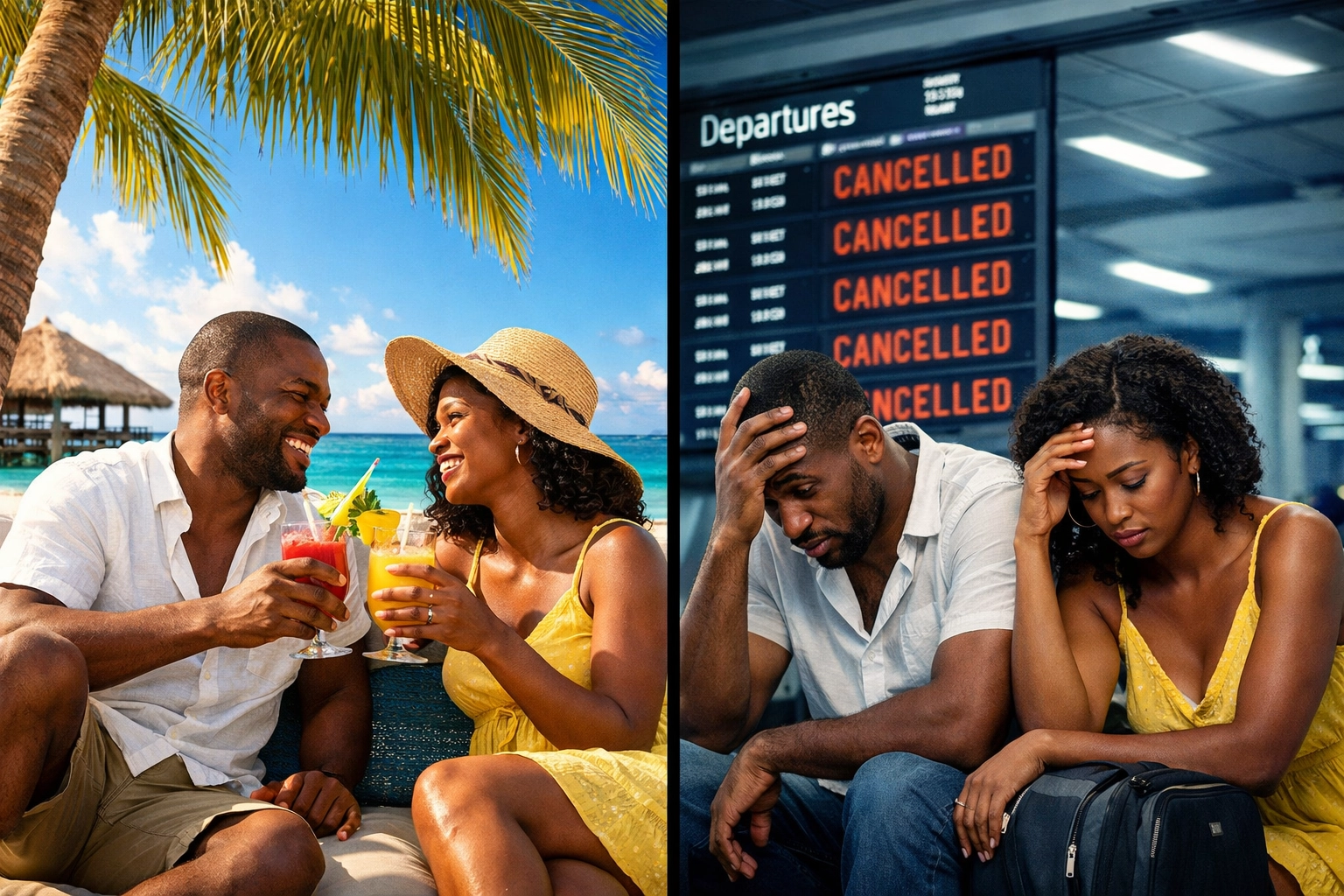
And here's the part people forget: you might already be covered. Many travel credit cards offer trip cancellation, delay, and lost luggage protection as built-in perks. Check your card benefits before you buy standalone insurance: you could be paying twice for the same coverage.
Bottom line: if the trip cost is low, the bookings are flexible, and you're staying domestic, insurance is often unnecessary.
The Real Question You Should Ask
Instead of asking "Is travel insurance a scam?", the better question is: "Does the cost of this policy make sense compared to what I stand to lose?"
If you're dropping $8,000 on a European river cruise and the insurance costs $400, that's 5% of your trip. If something happens and you can't go, you could lose the entire $8,000. That math works. But if you're buying a $200 flight and a $60 insurance policy, you're spending 30% of the trip cost to protect a relatively small expense. That math doesn't work.
The other thing I always tell clients from my Omaha office (though we work with travelers nationwide): read the fine print. Not all travel insurance is created equal. Some policies cover "cancel for any reason" (CFAR), which gives you more flexibility but costs more. Others only cover specific events like illness, injury, or natural disasters. Know what you're buying before you need to file a claim.
And here's a pro tip: if you or someone you're traveling with has a pre-existing medical condition, buy your policy within 14-21 days of your first trip deposit. Most insurers waive pre-existing condition exclusions if you meet that deadline.
So, is travel insurance a scam? No. But is it always a safety net? Also no. It's a tool: and like any tool, it works best when you use it in the right situation. The key is understanding your trip, your risks, and what you're actually paying to protect.
What about you: have you ever used travel insurance, or do you usually skip it? I'd love to hear what your gut tells you.
Comments